
The Psychology of Light: How Lighting in Interior Design Shapes Happiness

Updated: Oct 21, 2025
As we prepare for winter’s long nights, it’s the perfect time to transform your interior space into a haven of warmth, light, and joy. Lighting isn’t just functional; it’s emotional. It shapes how we feel, how we interact with our environment, and even how we connect with others.
Modern lighting design offers endless possibilities to enhance your mood and well-being!
Here 4 creative and impactful ways to use lighting in your home this winter, along with explanations on why it matters for your mental health and happiness.
Sculptural Lighting:
Use candles and spotlights to elevate the sculptural elements in your home, transforming them from static décor into dynamic expressions of art. The flicker of a flame or the focused beam of a spotlight adds depth and drama, revealing unseen textures, casting intriguing shadows, and adding a new dimension to familiar pieces. It’s a way to bring out the hidden beauty in your space, layering emotion and movement into your environment.
Why it matters: Dynamic lighting like candlelight has a calming effect on the nervous system. It mimics the natural rhythms of firelight, which humans have evolved to find soothing. This type of lighting can also enhance mindfulness, helping you slow down, become more present, and appreciate the subtle beauty that surrounds you.

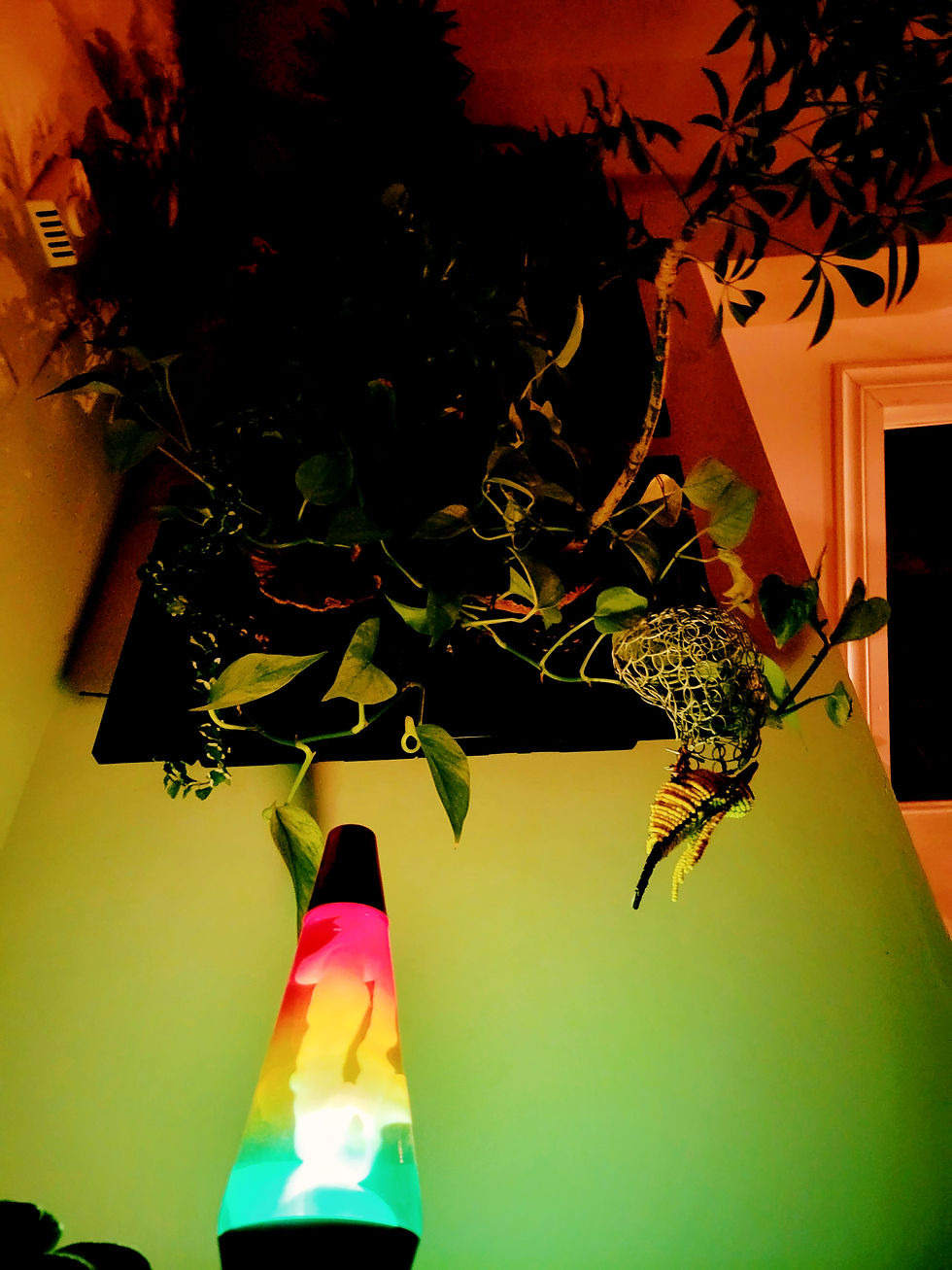
Lighting Around Plants:
Soft lighting woven around indoor plants creates enchanting shadows and silhouettes that dance across your walls and ceiling. This effect evokes a sense of peace and connection to nature, like sitting beside a campfire in the forest.
Why it matters: Exposure to nature-inspired elements, even indoors, has been shown to reduce stress and anxiety. According to environmental psychology, biophilic design (design that connects us to nature) can improve mood and cognitive function. The gentle interplay of light and foliage mimics natural environments, helping you feel grounded and calm.


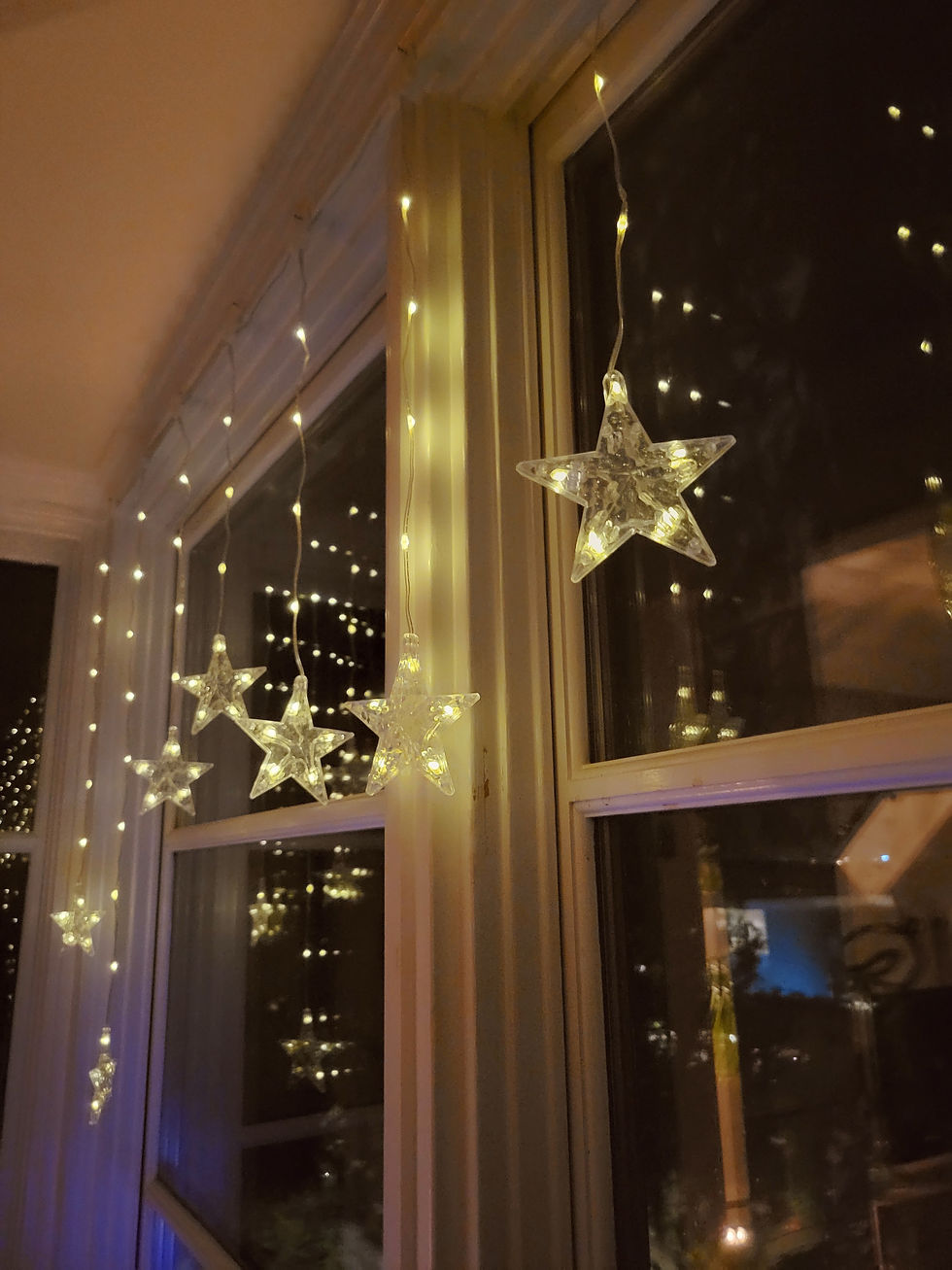
Twinkle Lights in the Window:
Offsetting fairy or twinkle lights in your windows creates a mirror-like sparkle that doubles the visual delight at night. It’s a simple way to add magic and depth to your space.
Why it matters: Twinkle lights stimulate the brain’s reward system by creating visual novelty and surprise. Studies show that ambient lighting with a warm glow can increase serotonin levels, which helps regulate mood and promote feelings of happiness and relaxation.
Fun Lighting Elements:
Bring out your playful side with lava lamps, glitter lamps, or 'neon' signs in different shapes. These whimsical touches add movement, color, and personality to your space.
Why it matters: Playful lighting can trigger dopamine release; the “feel-good” neurotransmitter. It also encourages creativity and self-expression, which are essential for emotional well-being. Surrounding yourself with joyful, unexpected elements can lift your spirits and reduce feelings of monotony or seasonal depression.

Final Thoughts:
Lighting is more than just illumination, it’s a powerful element of interior design and a tool for emotional transformation. By thoughtfully integrating diverse lighting styles into your home, you can elevate your space from functional to soulful. Interior lighting has the ability to shape mood, foster mindfulness, and reveal beauty that often goes unnoticed. With the right design choices, your home becomes a sanctuary that supports mental health, sparks joy, and brings warmth to even the darkest winter days.

Comments